Labour and Greens pledge to restore New Zealand’s pay equity law before November’s vote
New Zealand's Labour and Green parties have pledged to repeal 2025 pay equity changes before November's election, reigniting a dispute over cost.
New Zealand’s Labour and Green parties have each pledged this month to repeal the country’s 2025 pay equity law if they win November’s general election. Green Party co-leader Marama Davidson announced her party’s policy on Oct. 1, and Labour released a costed version inside its wider fiscal plan on Oct. 4, according to interest.co.nz and the New Zealand Herald. Both parties say they would reinstate the pre-2025 pay equity framework and fund a settlement for about 65,000 care and support workers, most of them women on low pay.
National’s finance minister, Nicola Willis, called Labour’s plan “the least credible fiscal plan released by a major party in living memory,” according to the Herald. The dispute centers on how much it would cost to undo changes the governing coalition made last year.
Dueling Pledges From Labour and the Greens
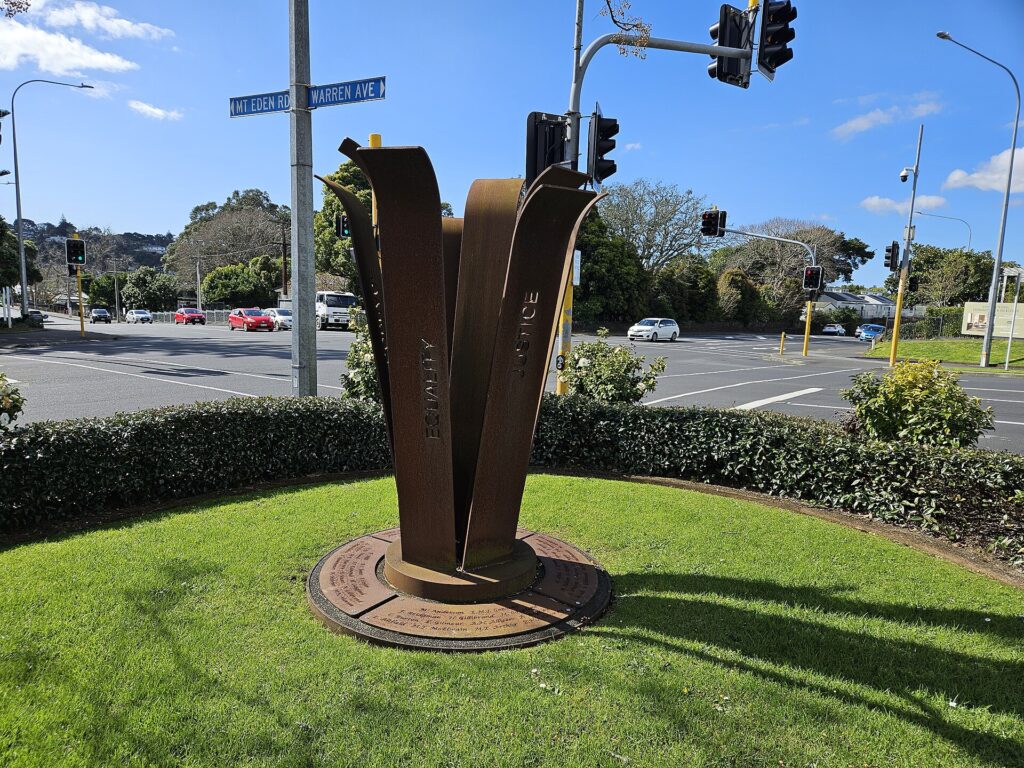
Davidson announced the Greens’ policy in front of the Auckland Women’s Suffrage Memorial, pledging to restore pay equity law to its pre-2025 form and fund a settlement for the 65,000 care and support workers whose claim was stopped by the changes, according to interest.co.nz. The party budgeted an indicative $1.1 billion a year, rising from $1.072 billion in 2027-28 to $1.171 billion in 2030-31, for a four-year total of about $4.48 billion. Davidson called the figure an indicative planning provision, not a cap on the eventual settlement, and said the workers, mostly women, “need and deserve” the funding.
Labour’s plan, released three days later, commits to reinstating pay equity legislation within its first 100 days in office and giving care and support workers an immediate $4-an-hour raise starting Jan. 1, 2027, worth about $8,320 a year to an average full-time worker, according to Labour’s policy page. That raise is budgeted at $2.5 billion over four years. Labour has not put a figure on the cost of settling other pay equity claims, saying announcing an amount in advance would undermine the negotiation process.
What the 2025 Act Changed
The Equal Pay Amendment Act 2025 raised the threshold for work to count as ‘predominantly female’ to 70 percent of a workforce, up from 60 percent, and barred reopening a pay equity claim within 10 years of a settlement.
The Fight Over What It Will Cost
Willis said Labour’s fiscal plan leaves out the larger cost of reinstating the full pay equity regime. The Herald reported that roughly $8.5 billion would be needed to settle the wider set of claims, and that a 2025 Treasury estimate put the total cost of restoring the old regime at about $11 billion over four years. Willis called the plan “a fraud.”
Labour leader Chris Hipkins defended the numbers, saying, “We can deliver what we have promised without increasing those allowances,” and pointing to about $10.5 billion in unallocated future operating funding in Labour’s plan. Labour’s finance spokesperson, Barbara Edmonds, has said she wants the care workers’ settlement completed by the 2027 Budget. As of Oct. 7, neither Labour nor the Greens had published a total cost for restoring every pay equity claim affected by the 2025 law.
Nicola Willis called Labour’s plan “the least credible fiscal plan released by a major party in living memory.”
What the 2025 Law Changed, and the Legal Pushback
The governing National-ACT-New Zealand First coalition passed the Equal Pay Amendment Act under urgency on May 6, 2025, and it received royal assent a week later. The law raised the threshold for work to count as “predominantly female” to 70 percent of a workforce, up from 60 percent, limited reopening a claim within 10 years of a settlement, and removed the ability to compare pay across different sectors. The government estimated the changes would save about $12.8 billion over four years.
The changes also ended 33 pending pay equity claims, which must be refiled under the new rules. The Spinoff reported the claims affected 180,000 workers; the Public Service Association has said at least 150,000 workers were affected, so the two figures do not match. Five unions challenged the law in the High Court in August 2025, arguing it breached the New Zealand Bill of Rights Act. An unofficial people’s select committee led by Marilyn Waring reported in February 2026 that the law breached several legal principles, including the Human Rights Act and New Zealand’s commitments under a United Nations women’s rights convention.
The general election is set for November. As of Oct. 7, the government had not changed the law, and the final cost of any repeal remained a point of dispute between the parties.
Photo: Prosperosity · CC BY 4.0 · via Wikimedia Commons