
Hope Hull to Nashville: The Roots Behind Ella Langley’s Voice
The Alabama native's songs are full of small-town detail and plainspoken heartache. To understand them, start where she started.
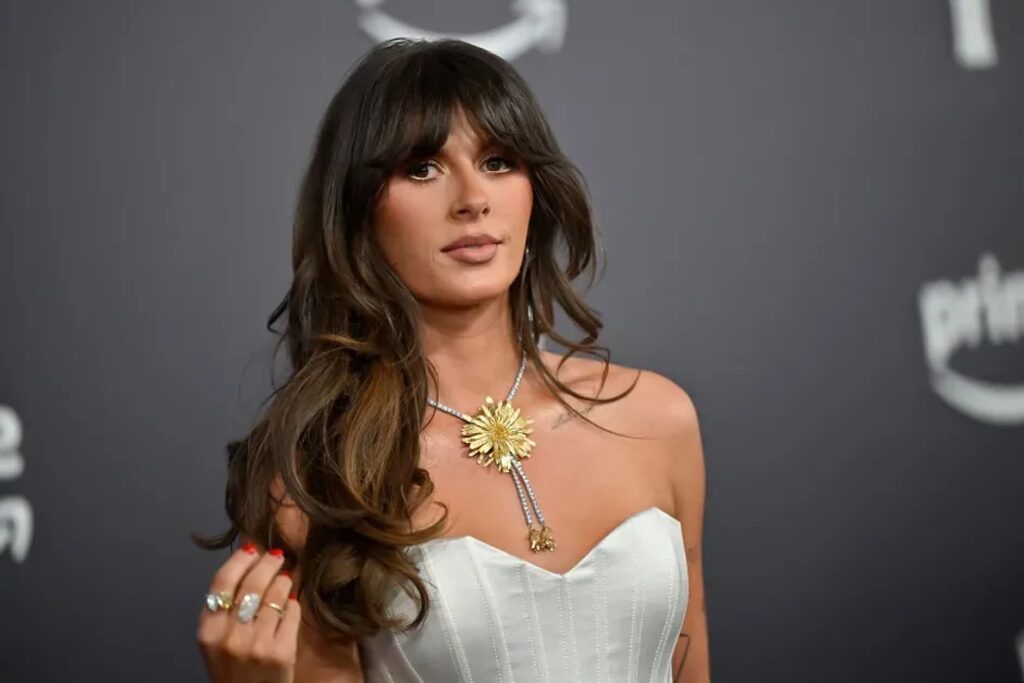
Some country singers sound like they learned the genre from a playlist. Ella Langley sounds like she learned it from a place. Listen closely to her songs, with their back roads, barrooms, stubborn pride and late-night regret, and you hear the influence of the South she grew up in. Before the award shows, Langley was a girl from Hope Hull, Alabama, a small community just outside Montgomery, absorbing the rhythms and stories that would eventually become her craft.
A Southern upbringing
Hope Hull is the kind of place that rarely appears on maps of the music industry. It is quiet, rural and close-knit, a setting where people know their neighbors and where country music is less a genre than part of the background of daily life. Growing up there gave Langley an instinct that cannot really be taught: an ear for how people in small Southern towns talk, joke, argue and love.
That ear is the backbone of her songwriting. Her lyrics rarely reach for grand metaphors. Instead, they capture the specific phrasing of real conversations, the way a person might tease someone they have a crush on or downplay their own hurt. It is a style rooted in observation, and it reflects a childhood spent around people who tell stories as naturally as they breathe.
Where she started
Langley grew up in Hope Hull, Alabama, a small, rural community just outside Montgomery.
Finding the music
Like many artists who come out of small towns, Langley found in music both a form of expression and a possible way forward. She gravitated toward the traditional side of country, the honky-tonk and outlaw-leaning sounds that prize honesty over polish. Those influences still shape her records today, from the twang in her voice to the barroom energy that runs through much of her catalog.
Songwriting became central early. Rather than positioning herself only as a singer, Langley built her identity around writing her own material. That decision would later prove critical. In an industry where many artists rely on outside songwriters to define their sound, Langley arrived with a voice that was distinctly her own on the page as well as on the microphone.
The Nashville apprenticeship
Moving to Nashville is a rite of passage for aspiring country artists, and it is rarely glamorous. The city is full of talented writers and singers competing for the same attention, and success usually comes only after years of co-writing sessions, small shows and slow progress. Langley’s path followed that familiar shape. She put in the work of developing her songs, refining her sound and building a following show by show.
What set her apart was her refusal to sand down her personality to fit a mold. Many young artists in Nashville are pushed toward a safe, radio-friendly middle ground. Langley held onto the sharp edges: the humor, the sass, the slightly rough-around-the-edges delivery. That persistence paid off when her collaboration with Riley Green, “you look like you love me,” introduced her to a national audience in 2024 and earned two CMA Awards. The very traits that might have been smoothed away became the reasons people fell for her.
Writing from real life
Langley’s debut album, hungover, played like a document of the life she had been living, full of late nights, complicated relationships and the morning-after clarity that follows. It was not autobiography in a literal sense, but it carried the emotional truth of someone who had spent years watching, feeling and writing it all down.
That instinct has only deepened. Her more recent singles, including “Choosin’ Texas,” show a writer growing more willing to examine herself as well as the people around her.
Her accent, her humor and her storytelling are not branding decisions.
Staying grounded
Fame tends to pull artists away from the places that shaped them. One of the striking things about Langley’s work is how firmly it stays tied to her roots. Even as her audience has grown, her songs still sound like they were written by someone who remembers where she came from.
That connection is a big part of why her fans trust her. Country music has always valued authenticity, and audiences can tell the difference between an artist performing Southern identity and one who simply has it. Langley clearly belongs to the second group. Her accent, her humor and her storytelling are not branding decisions. They are the product of a life lived in the kind of town most people only hear about in songs.
There is a particular kind of humor that runs through small Southern towns, a way of saying something serious with a straight face and a half-smile. It shows up all over Langley’s catalog. Even when her songs deal with heartbreak, they often carry a wink, a sense that the narrator knows exactly how messy her situation is and has decided to laugh about it anyway. That tone is hard to fake, and it is one of the clearest threads connecting the artist on the awards-show stage to the young woman who grew up outside Montgomery.
The story so far
Langley’s story is still being written, and its most interesting chapters may lie ahead. But the arc so far is a classic one: a small-town girl with a gift for words, a move to the big city, years of grinding, and a breakthrough that arrived because she stayed true to herself. In country music, that story never gets old. In Ella Langley’s hands, it sounds brand new.