Why Beauty Founders Are Choosing Equity Stakes Over Licensing Royalties
Licensing deals offer steady royalties but zero ownership. Equity retention means building billion-dollar stakes—if the brand succeeds.
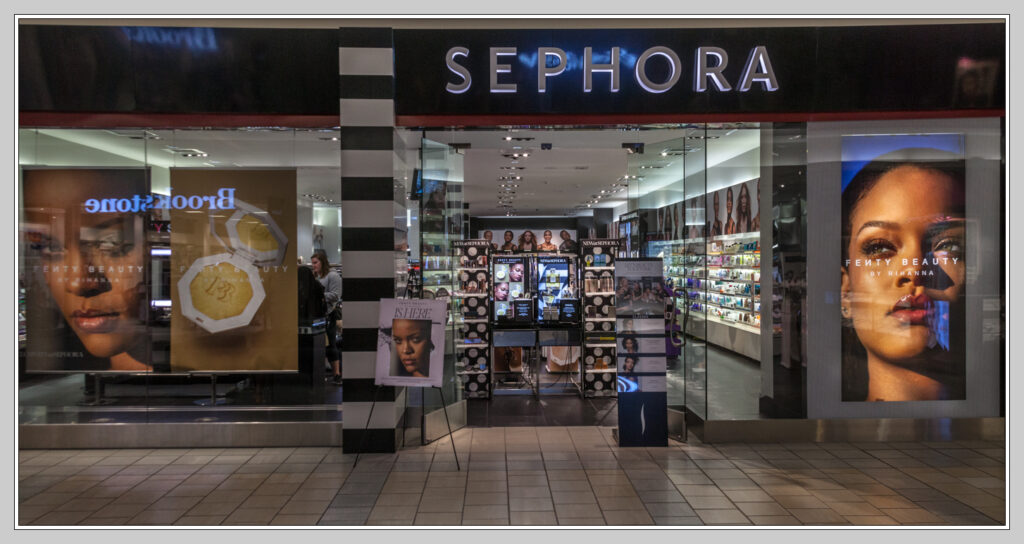
When a beauty founder licenses her name to a company, she receives royalties—typically 3 to 10 percent of net sales—and approval rights over certain products. She owns nothing. When she retains equity, she owns a stake in the business, shapes its direction, and keeps her ownership if the company sells. The difference in lifetime wealth is stark: Jessica Simpson licensed her name for roughly $100 million in royalties over more than 15 years but could never sell a stake because she didn’t have one. Rihanna owns 50 percent of Fenty Beauty, a stake now valued at $1 billion to $1.5 billion. Both built successful brands. One built generational wealth.
The choice matters more now than ever. Founders and their advisors increasingly negotiate for equity first, with creative control written into the deal. For women, that principle carries extra weight: female founders give away almost twice as much equity as male counterparts for the same investment, making ownership retention crucial to wealth-building.
How licensing payments actually work
In a licensing arrangement, a company pays a founder a percentage of revenue to use her name, face, and image on its products. The company manufactures, distributes, and sells everything. For cosmetics and beauty brands, royalty rates typically range from 3 to 10 percent of net sales, depending on brand strength and negotiating power. The founder collects royalty checks and can reject products she dislikes through approval rights, but the licensor controls whether to renew the contract and when to wind the brand down.
Approval rights sound protective but function narrowly. A founder might have the power to veto a specific product category or reject packaging that feels inconsistent with her brand. In most licensing arrangements, the founder’s approval rights cover products bearing her name, but the licensee still controls the day-to-day strategy and can shift direction if sales targets slip.
The appeal of licensing is safety. Royalties arrive regardless of profit; the founder risks none of her own capital but foregoes upside. A 3 percent royalty on $1 billion in sales yields $30 million annually. A 10 percent rate on the same sales yields $100 million. But that income stream never appreciates. If the brand triples in value, the founder’s annual royalty stays flat. When the license expires, she walks away with accumulated royalties and nothing else. She cannot sell her stake to another investor, take the business public, or shop it to a larger conglomerate at a premium. The founder’s wealth is capped by the royalty rate, not by the business’s success.
Wealth comparison
Rihanna’s 50% Fenty stake is valued at $1–1.5 billion, while Jessica Simpson’s more-than-15-year licensing deal earned $100 million total with zero ownership. A 5% royalty on $1 billion in annual sales yields $50 million per year—but Rihanna’s equity stake appreciates with the business’s value in ways royalties never do.
Equity’s higher reward and higher risk
Equity ownership means the founder holds a stake in the business itself. If the brand succeeds, her stake appreciates. If it fails, her investment evaporates. That’s the tradeoff. Unlike royalties, which guarantee income, equity builds or destroys wealth based on business outcomes.
Rihanna launched Fenty Beauty with LVMH in 2017, retaining a 50 percent ownership stake. The brand is now valued at $2 billion to $3 billion; her stake is worth $1 billion to $1.5 billion. She shapes creative direction and product development, and could sell part or all of her stake. LVMH is exploring a sale of its 50 percent stake through investment bank Evercore, which could give Rihanna majority or full control—an option unavailable to any founder on a pure licensing deal.
Selena Gomez founded Rare Beauty in September 2020 and retained a majority stake estimated at 51 percent. The brand is valued at approximately $2.7 billion as of October 2025, making her stake worth more than $1 billion. Like Rihanna, she maintains creative direction and can benefit if the company’s valuation rises further. Hailey Bieber founded Rhode in June 2022 and kept majority control, with estimates of her ownership ranging from 50 to 70 percent. When e.l.f. Beauty acquired Rhode in August 2025, the deal valued the brand at up to $1 billion. Bieber received approximately $300 million or more at closing, plus potential performance-based payments over three years.
All three built vastly more wealth than any licensing deal would have generated. A 5 percent royalty on Fenty’s more than $600 million in annual revenue would yield more than $30 million a year—far short of the $1 billion to $1.5 billion Rihanna’s ownership stake is worth. Equity’s compounding effect creates wealth in ways royalties cannot match.
Why female founders face sharper tradeoffs
The choice between licensing and equity has particular weight for women because female founders encounter greater dilution when raising venture capital. According to Carta research, women own just 9 percent of combined founder and employee startup equity despite comprising significant portions of the workforce. Specifically, women account for 13 percent of startup founders but hold only 6 percent of founder equity—translating to roughly $0.39 on the dollar compared to male founders.
Research from JP Morgan shows that female founders gave away almost twice as much equity as male counterparts for the same investment amount, creating a wealth penalty before the founder even reaches the licensing-versus-equity decision.
For women in beauty, where founder-led brands are common, this history changes the equation. A female founder negotiating her first major deal has likely already surrendered substantial equity to early investors. Choosing a licensing deal means securing predictable income. Retaining equity in a partnership means reclaiming control over her remaining stake—but gambling it on the business’s growth. The founder who raised $5 million from investors and retained 40 percent ownership faces very different risk calculus than a founder who kept 70 percent.
Control as a founder benefit
Equity ownership enables operational control that licensing can never match. In a licensing arrangement, the founder reports concerns but does not make decisions. In an equity structure, particularly with majority stakes, the founder shapes strategy and has legal standing to enforce her vision.
Scott Barnes relaunched his cosmetics brand in 2026 after a previous partnership dissolved. ‘I wasn’t willing to give away my IP,’ he said. ‘When I met these guys—the current investors—they didn’t want to take over my IP.’ The relaunch included equity partners, but Barnes retained control of his intellectual property and brand direction—lessons learned from an earlier 50-50 partnership that unraveled. His experience underscores what licensing founders cannot do: once control passes to the licensee, reclaiming it becomes nearly impossible.
That control protects brand identity in ways royalty payments do not. Founders can enforce quality standards, refuse product extensions that feel out of place, and pivot strategy if market conditions change. In a licensing model, the founder makes suggestions; the licensee makes calls. In equity ownership, particularly with majority control, the founder makes calls. She owns the consequences—but also owns the credit if the brand succeeds.
Female founders gave away almost twice as much equity as male counterparts for the same investment amount, making ownership retention crucial to wealth-building.
Mixed models: partial equity and retained control
Not all founder deals split cleanly into licensing or full equity. Hybrid structures are increasingly common, particularly among founders with negotiating power. Kim Kardashian’s 2020 deal with Coty illustrates the middle ground: Coty purchased a 20 percent stake in KKW Beauty for $200 million, valuing the company at $1 billion, while Kardashian retained the majority of her ownership. The deal included licensing rights for categories Kardashian hadn’t yet entered—skincare, personal care, haircare, and nail—with Coty handling development and distribution in those categories.
That structure preserved Kardashian’s control over her core brand while accessing Coty’s manufacturing and distribution expertise for new categories. It differs sharply from Coty’s larger 51 percent stake in Kylie Cosmetics, a more equity-forward arrangement.
These hybrid deals acknowledge a reality licensing alone cannot address: founders need both wealth-building and operational control. A minority investment with approval rights can deliver both without requiring the founder to accept a majority equity stake. For cautious founders—or those whose early investors already own significant equity—the hybrid offers a middle path between licensing’s safety and full ownership’s risk.
The market shift toward equity-first negotiations
Through much of the 2010s, celebrities and founders frequently licensed their names to established beauty companies. It was a standard path to visibility and income, and equity stakes were rare outside the founder’s personal holding.
The landscape has shifted in recent years. Celebrities and their advisors increasingly negotiate harder for equity, having watched Rihanna’s ownership stake become worth over $1 billion. Young founders have studied the Rihanna and Gomez examples and understand the wealth gap between ownership and royalties. Investors have responded by structuring deals that offer equity stakes, as founders push back against royalty-only arrangements. Licensors increasingly face founder demands for ownership rather than offering equity as a favor.
Licensing still exists, particularly for smaller brands or debuts, but it is no longer the default. A founder’s opening position is increasingly: my stake, my control, or no deal. This shift reflects not just founder ambition but founder awareness of the long-term cost of ceding ownership. One licensing deal pays millions. One equity stake that grows could pay billions.
The risk that accompanies ownership
Equity is not risk-free. If the business fails or misses growth targets, the founder’s stake loses value or becomes worthless. Licensing guarantees income; ownership does not. Most celebrity beauty brands fail or underperform. Retail competition is fierce. Supply chain disruptions, changing consumer preferences, and regulatory shifts can destroy brand value overnight. Founders who take equity gamble their reputation and time on a business that could disappear.
Licensing insulates against that risk by guaranteeing royalties. A founder can step back from day-to-day involvement, approve products quarterly, and collect checks. If the brand withers, her royalty income continues until the contract ends. She lost nothing but opportunity.
The financial math favors equity for most founders—but only if the business succeeds. Rihanna and Selena Gomez built category-defining brands with devoted customers and strong revenue growth. Other equity-retained brands perform adequately but never reach those valuations. The founder still owns something, but not the billion-dollar stake that changes wealth permanently. For a founder uncertain about long-term success, or one who wants to step away from business operations, licensing’s predictability remains attractive. For founders confident in their vision and willing to bet their time and capital on growth, equity has become the only serious option.
Photo: Paul VanDerWerf from Brunswick, Maine, USA · CC BY 2.0 · via Wikimedia Commons