Why women still direct a small share of the top-grossing Hollywood films
Only one in twelve directors of the highest-grossing films are women. The Annenberg Inclusion Initiative has tracked the disparity annually for nearly two decades.

In 2025, women directed the 100 highest-grossing films at the domestic box office. That represents 8.1 percent of all directors on those films, according to the USC Annenberg Inclusion Initiative’s annual study. The figure marks a dramatic decline from 2024, when women accounted for 13.4 percent of the top 100 directors.
The persistence of this gap raises a central question about Hollywood’s hiring practices: if talent is not the barrier, what explains the disparity? The Annenberg Inclusion Initiative has tracked director representation since 2007, measuring both the presence of women behind the camera and the industry patterns that shape their opportunities. What the data reveals is a pattern of stagnation punctuated by sudden reversals, suggesting the problem is structural rather than cyclical.
How the Annenberg Inclusion Initiative measures representation
Dr. Stacy L. Smith, an associate professor of communication at USC Annenberg, founded the Annenberg Inclusion Initiative. The initiative describes itself as the leading global think tank examining inequality in entertainment. Its annual “Inclusion in the Director’s Chair” report examines gender and race or ethnicity among directors of the 100 most popular domestic theatrical films each year.
This standardized approach across nearly two decades of data provides the foundation for tracking how representation has shifted in the highest-earning films in the industry.
Women directors in top-grossing films: the long view
Since 2007, the highest share of women directors in the top 100 highest-grossing films in a single year came in 2024, at 13.4 percent.
The historical trend: From 2.7% to a plateau to a steep decline
When the Annenberg Inclusion Initiative began tracking directors in 2007, women directed 2.7 percent of the top 100 highest-grossing films—fewer than one in 37 directors. Over the next 15 years, representation gradually improved. By 2023, women directed 12.1 percent of these films; in 2024, that figure rose slightly to 13.4 percent, or 15 women directors. But the increase from 2023 to 2024 was only 1.3 percentage points, revealing what researchers called a plateau in progress.
The 2025 decline to 8.1 percent represents a reversal of more than five percentage points in a single year. This is not a minor fluctuation. To understand the scale: if representation had continued at the 2024 level of 13.4 percent, roughly 15 women would have directed films in the top 100. The drop to nine women is a loss of 40 percent of the women directors who had worked on these films the previous year.
Notably, the industry’s modern low point came in 2013-14, when only 1.9 percent of the top 100 films were directed by women. The 2025 figure remains above that historic low, but the one-year drop from 13.4 percent in 2024 illustrates how quickly incremental progress can be erased.
Why women rarely build directing careers at major studios
The scarcity of repeat opportunities for women directors shapes the entire landscape. By contrast, the industry regularly recycled the same male directors for successive blockbuster franchises and tentpole films.
In 2025, studios distributed these 100 top-grossing films unevenly.
When studios do hire women directors for major films, another pattern emerges. Women directors employ substantially more women in behind-the-camera roles. The 2025 Celluloid Ceiling report, a separate study from the Center for the Study of Women in Television and Film, found that among the year’s top 250 films, women made up 71 percent of writers on female-directed films but only 11 percent on male-directed films. This suggests that women directors actively build more inclusive crews, but their rarity means this benefit reaches only a tiny percentage of the industry’s workforce.
Representation at the intersection of gender and race
The 2025 data revealed a notable shift in the composition of the small group of women who did direct top-grossing films.
This breakdown is significant because it underscores both progress and continuing disparity. While the share of women directors overall plummeted from 13.4 percent to 8.1 percent, women of color slightly improved their share within that shrinking group. Yet the racial composition of women of color directors remained narrow. Across the entire 18-year period from 2007 to 2024, not one major studio company has hired at least 10 women of color to direct a top-grossing film. Universal Pictures leads with only seven, and Disney with six.
Dr. Smith observed that women directors “rarely get multiple opportunities behind the camera,” and this constraint is even tighter for women of color. The data illustrates a cascading limitation: women make up a tiny fraction of directors, women of color make up a tiny fraction of that fraction, and within that even smaller group, certain racial and ethnic groups remain nearly absent from the top-grossing films.
Women directors employ substantially more women in behind-the-camera roles, but their rarity means this benefit reaches only a tiny percentage of the industry’s workforce.
What changed between 2024 and 2025: Industry consolidation and political climate
The steep drop from 2024 to 2025 requires explanation beyond long-term structural factors. A separate report, the Celluloid Ceiling study from the Center for the Study of Women in Television and Film, attributed a similar decline in its own data to two specific forces: studio consolidations and anti-diversity political pressure. The entertainment industry underwent consolidation in 2025, which those researchers described as an “ominous moment” for women’s hiring prospects.
The Trump administration’s official pushback against diversity, equity, and inclusion efforts created a new dynamic, the Celluloid Ceiling researchers wrote: “Hollywood has never needed permission to exclude and diminish women, but now it has it.” The data shows the difference between an industry that was making incremental progress, however slow, and one that appears to have abandoned even that pretense of advancement in 2025.
Why top-grossing films are the metric that matters
The Annenberg Inclusion Initiative focuses on the 100 highest-grossing films specifically because these are the industry’s most visible and lucrative products. They receive the largest budgets, the widest theatrical distribution, and the most media attention. Success with these films establishes a director’s profile for future work and creates the perception of being a major Hollywood filmmaker.
Representation in these films differs markedly from representation elsewhere in the industry. The question then becomes: what makes the top-grossing theatrical films different? Why does the gap narrow in television and independent film but remain so large in exactly the films that define the commercial entertainment industry?
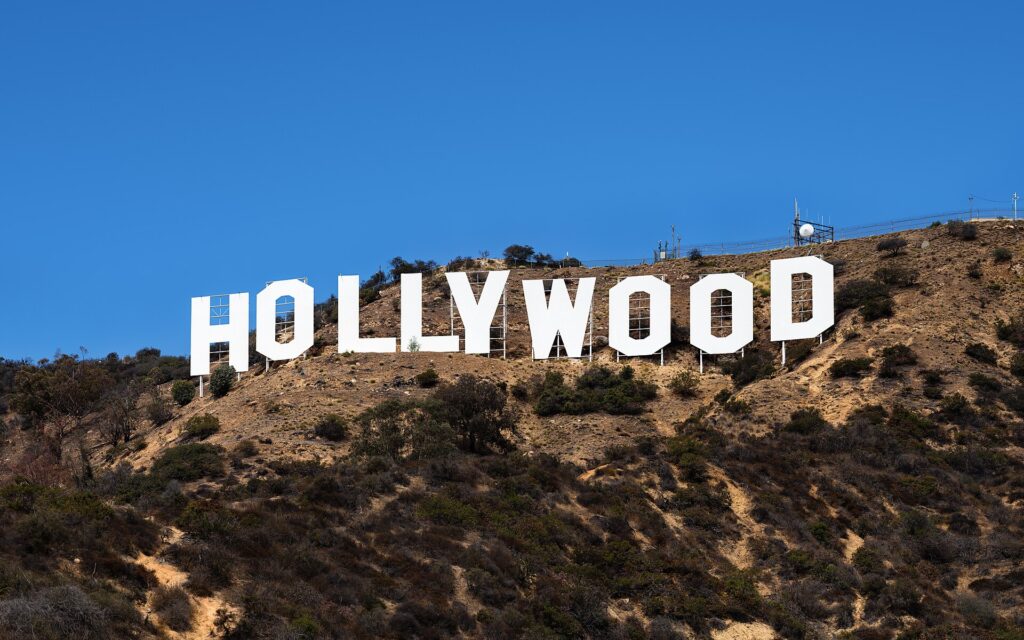
Photo: Unknown · Public domain · via Wikimedia Commons